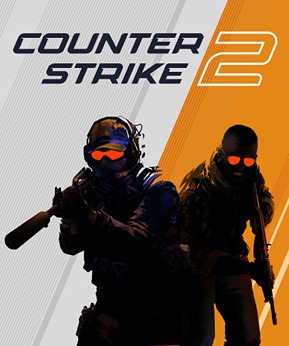
The Enduring Legacy of Counter-Strike: Two Decades Defining Tactical FPS
For over twenty years, one name has consistently echoed through the halls of competitive gaming, shaping an entire genre and captivating millions worldwide: Counter-Strike. More than just a game, the original
Counter-Strike game, initially released in 2000, forged a legacy built on precision, strategy, and unparalleled team-based action. It wasn't merely about who could aim fastest, but who could think smarter, anticipate better, and execute with flawless coordination. This foundational title didn't just entertain; it educated a generation of gamers in the art of tactical warfare, setting a benchmark for every first-person shooter that followed.
The Genesis of a Phenomenon: From Mod to Masterpiece
The story of Counter-Strike is as iconic as its gameplay. It began not as a standalone title, but as a humble modification for Valve Corporation's groundbreaking game, Half-Life. Conceived by Minh Le and Jess Cliffe in 1998, their vision was to create a game centered around counter-terrorism operations. Development commenced the following year, and early beta versions quickly garnered significant attention within the burgeoning online PC gaming community. The mod's popularity skyrocketed, catching the discerning eye of Valve itself. Recognizing its immense potential, Valve acquired the intellectual property and brought Le and Cliffe into the fold, culminating in the official release of *Half-Life: Counter-Strike* (or *Counter-Strike 1.6* as it became affectionately known) for Microsoft Windows in November 2000.
This wasn't just another shooter; it was a revelation. Critics and players alike lauded its innovative gameplay and fresh take on the FPS genre. The game's emphasis on realistic ballistics, intricate map design, and high-stakes objective play immediately set it apart. It was quickly ported to other platforms, including Xbox, and later made its way to OS X and Linux, cementing its status as a cross-platform phenomenon. Its blend of straightforward mechanics and profound strategic depth made it accessible yet endlessly challenging, attracting a diverse player base and laying the groundwork for a franchise that would define competitive gaming for decades.
Beyond the Trigger: Strategy, Economy, and Teamwork
What truly propelled the
Counter-Strike game into legendary status was its intricate design, which demanded more than just raw mechanical skill. It required a unique combination of strategic foresight, economic management, and flawless teamwork.
The Core Gameplay Loop: A Dance of Decisions
At its heart, Counter-Strike pits two distinct factions against each other: the Counter-Terrorists and the Terrorists. Each round begins with players spawning with only a knife and a basic pistol, and then the real strategy begins. The most prevalent game modes revolve around crucial objectives: the Terrorists attempting to plant a bomb at designated sites or the Counter-Terrorists endeavoring to rescue hostages. Once eliminated, players do not respawn until the round concludes, adding an intense layer of pressure and making every decision, every bullet, and every movement profoundly impactful. This "no second chances" philosophy fosters an environment where quick thinking, precise execution, and measured aggression are paramount. The tension as the clock ticks down, the last player standing against multiple enemies, or the nail-biting defusal attempt, are all signature moments that have defined the Counter-Strike experience.
Mastering the Market: The In-Game Economy
A unique and often underestimated aspect of the
Counter-Strike game is its ingenious economic system. Players earn money through various actions: eliminating enemies, winning rounds, losing rounds (to prevent a complete economic collapse), planting or defusing the bomb, and rescuing hostages. This earned cash is then used to purchase more advanced weapons, armor, grenades (utility), and defusal kits at the start of each round.
This economic layer adds a profound strategic dimension. Teams must constantly weigh the benefits of buying top-tier equipment against saving money for future rounds, leading to "eco rounds" where players intentionally buy minimal gear to build up their bank for subsequent "full buys." Mastering this meta-game, understanding when to force a buy or when to save, and communicating these strategies with your team are as crucial as aiming itself. A well-managed economy can swing the momentum of an entire match, illustrating that success in
Mastering Counter-Strike: Essential Tactics for Competitive Play extends far beyond individual gun skill.
The Indispensable Role of Teamwork and Communication
While individual skill is undoubtedly a factor, the tactical depth of Counter-Strike shines brightest through its emphasis on teamwork. A lone wolf, no matter how skilled, will consistently fall short against a coordinated team. Success hinges on precise communication, callouts for enemy positions, synchronized pushes, and strategic utility usage. Flashes, smokes, and incendiary grenades are not just for damage; they are tools for controlling space, denying vision, and creating entry points.
Effective teamwork demands trust, understanding, and the ability to adapt on the fly. Learning specific map layouts, common holding positions, and crucial timings becomes second nature to dedicated players. The game teaches invaluable lessons in collaboration, leadership, and adapting to dynamic situations – skills that resonate both within and outside the digital battlefield.
A Lasting Impact: Esports, Community, and Evolution
The profound depth and competitive nature of the original
Counter-Strike game naturally led to its rise as a premier esport. Before esports was a mainstream phenomenon, Counter-Strike tournaments were drawing dedicated audiences and inspiring professional players worldwide. It laid much of the groundwork for the modern competitive gaming scene, demonstrating the viability and excitement of organized digital competition. The global community that formed around Counter-Strike was, and remains, fiercely loyal, passionate, and incredibly skilled. From dedicated servers to custom maps and thriving online forums, players found countless ways to engage with and extend the life of their beloved game.
Decades later, the fundamental principles of the original Counter-Strike continue to influence countless tactical shooters. Its legacy is not just in its direct sequels but in the DNA of the genre itself. After over twenty years of elite competitive experiences, shaped by millions of players, the story continues. The arrival of
Counter-Strike 2: The Next Generation of Tactical FPS Action marks the next thrilling chapter, promising to build upon the rock-solid foundations of its predecessors while pushing the boundaries of what a tactical FPS can be. Valve’s commitment to iterating and refining the core gameplay loop has ensured that the Counter-Strike experience remains fresh, engaging, and relentlessly competitive.
Conclusion
The original Counter-Strike game is far more than a vintage video game; it is a cultural touchstone that revolutionized tactical first-person shooters. Its blend of strategic depth, skill-based gunplay, and unparalleled emphasis on teamwork created a competitive landscape that continues to inspire and challenge players globally. From its humble origins as a Half-Life mod to becoming a global esports titan, Counter-Strike’s legacy is a testament to timeless design and the enduring appeal of high-stakes, objective-based combat. As the series evolves into its next iteration, one thing remains certain: the spirit of intense, strategic gunfights and unparalleled team play will continue to define the Counter-Strike experience for generations to come.